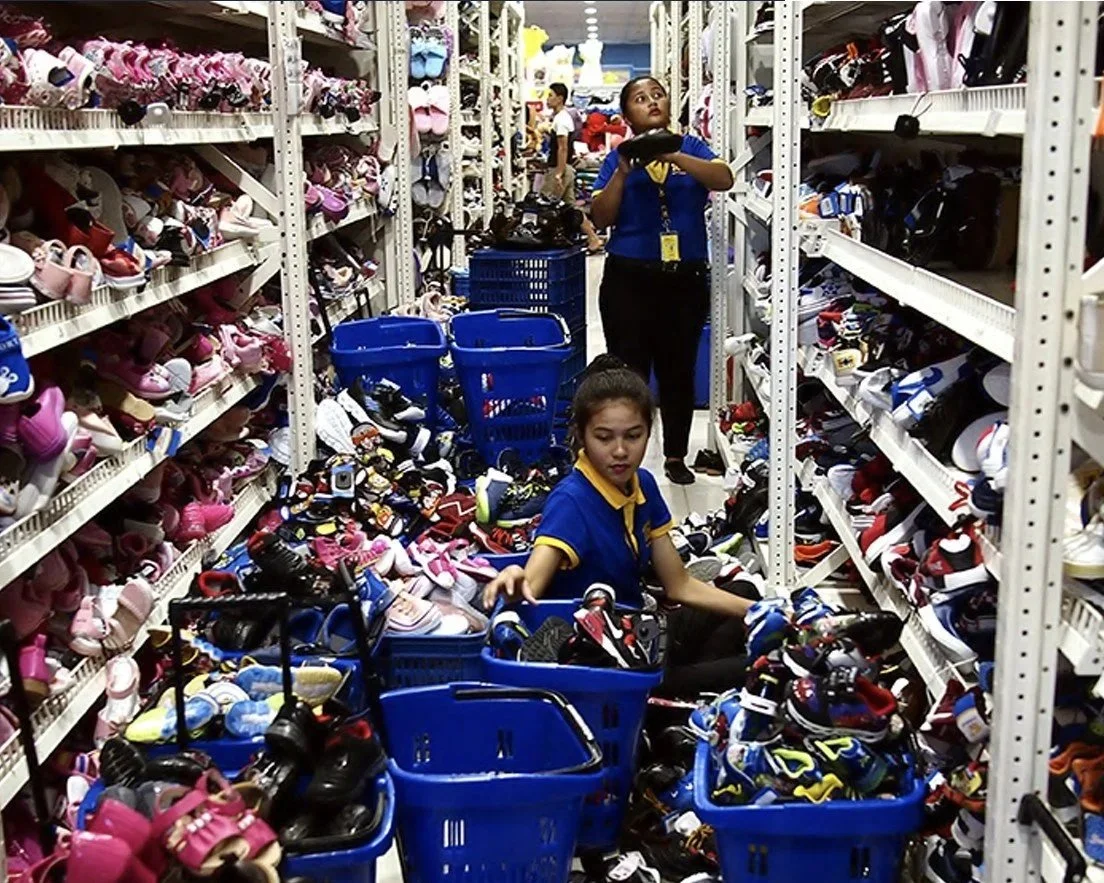
Living Wage and Minimum Wage in a National Context: Lessons from Selected Countries in the Global South.
This study has two objectives. First, it seeks to identify the factors that influence the extent to which minimum wages are set relative to living wages and to examine how this relationship changes over time in response to shifts in policy and economic conditions. Second, it examines the potential for living wages to serve as a normative benchmark for minimum wage setting and adjustment, while exploring policy pathways for extending adequate wage protection to a broader segment of workers in the Global South. The paper synthesizes findings from six country studies on the history, structure, and evolution of minimum wage systems. The selected countries span Africa, Asia, and Latin America, providing a diverse set of experiences and policy approaches.
This study was commissioned by the Anker Research Institute (ARI). However, the authors conducted their work independently, and the views, findings, and conclusions expressed herein are solely those of the authors and do not necessarily reflect the views of ARI, its members, or its supporting institutions
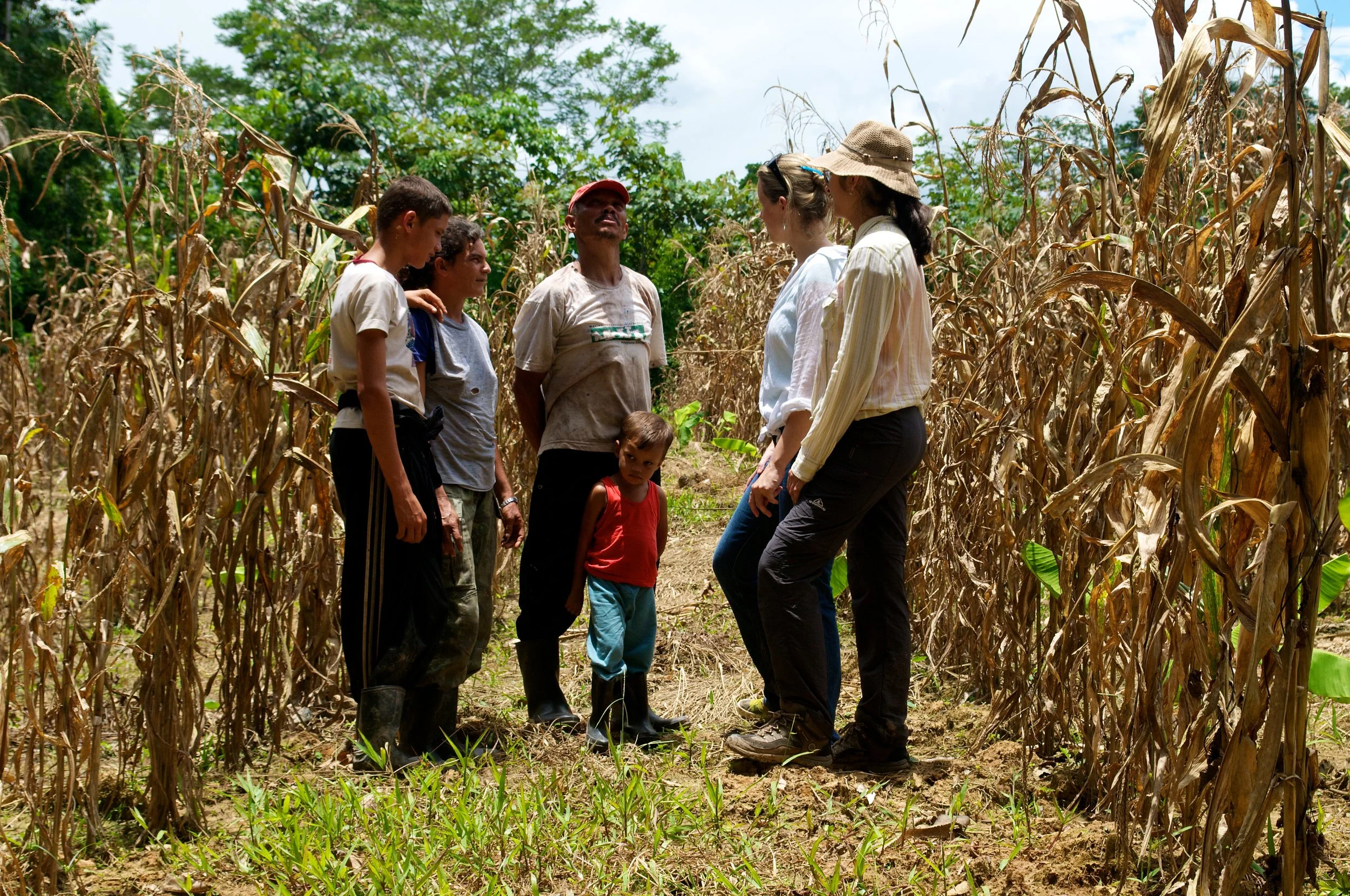
Anker Living Wage & Living Income Reference Values: Methodological Note
Anker Reference Values offer credible, comparable estimates of living wages and incomes where full benchmarks have not yet been conducted, bridging data gaps while remaining consistent with Anker Methodology standards.

The Importance of Gender Equality for Living Incomes in Smallholder Farming Communities
Many agricultural companies pursue living income goals but often overlook gender equality. This paper by the Anker Research Institute and the Living Income Community of Practice shows why gender equality is key to achieving living incomes and offers a practical framework for gender-transformative action in supply chains.

Anker Sub-National Living Wage estimate for Bogota, Colombia
Starting with two previous Anker Methodology Living Wage Benchmark studies carried out in Colombia (for banana-producing and coffee-producing regions, respectively), this report uses secondary data to extrapolate living costs and living wages to the capital city of Bogotá. The gross living wage for the city of Bogotá was found to be COP 3,144,579 (USD 764) for 2022, which is around 2.4 times the minimum wage.

New guidelines for valuing in-kind benefits as partial payment of living wage: standard values based on worker replacement cost
This publication presents updated guidelines for valuing in-kind benefits (IKBs) as partial payment of a living wage, using standard values based on worker replacement cost. Building on Anker and Anker’s 2017 framework and a review of ILO conventions and national laws across 162 countries, the guidelines have been widely adopted by organizations such as IDH and members of the Global Living Wage Coalition. Drawing on seven years of practical application, this update incorporates lessons learned, addressing common challenges and refining valuation methods to ensure IKBs are fairly and consistently accounted for in wage assessments.

Living Wage in Pakistan: Estimates,Adoption and Policy Challenges
How much does it cost for a worker and their family to live a basic but decent life in Pakistan? This paper explores this question using the concept of a living wage. The paper provides consolidated and updated living wage estimates for two rural regions and one urban region of Pakistan. The paper then examines the existing policy framework on returns to labour in general and minimum wages in particular and demonstrates its shortcomings in ensuring decent wages for workers.

METHODOLOGICAL REPORT: Anker Sub-National Living Income and Living Wage Estimates
This report describes and uses the recently developed Ank- er Methodology® to obtain sub-national living income and living wage estimates. Using Brazil as a pilot country, the methodology calculates living incomes and living wages for Brazilian state capital cities, surrounding metropolitan areas, and mesoregions in the rest of each state.
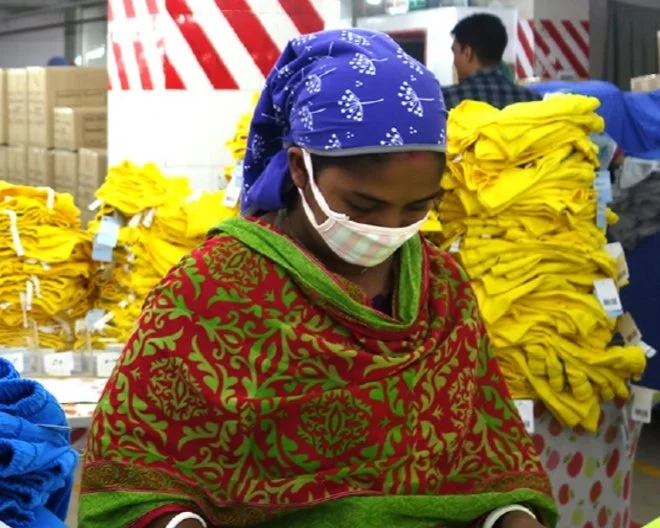
Gender Pay Gaps in Global Supply Chains: Findings from Workplaces in Bangladesh,Colombia, Morocco, Thailand, and Turkey
This report published in Feb 2024 presents the findings of studies in five countries to test the Anker Research Institute’s new methodology for measuring the size and determinants of gender pay gaps at workplaces in global supply chains.

Assessing the Need for Living Wage Benchmark Studies for the Tea Sector in Assam and West Bengal
This working paper assesses the need for living wage Benchmark Studies in the Tea Sector in Assam and West Bengal, India.

How Gender is Embedded in the Anker Methodology and an Exploration of Care Work and Living Wage
This paper explains how a gender perspective is embedded into the Anker Methodology for estimating a living wage. This is important for transparency and for ensuring that users of Anker Methodology living wage and living income estimates and other interested parties understand the approach.

Brechas Salariales de Género en el Sector Bananero Exportador de Colombia
Este artículo presenta los resultados de un estudio sobre las brechas salariales entre hombres y mujeres a nivel de establecimiento productivo en el sector bananero de exportación de Colombia.
(Image: Fairtrade International)

Gender Pay Gaps in the Banana Export Sector in Colombia
This paper reports the findings of a study on gender pay gaps at the workplace level in the banana export sector in Colombia. (Featured Image: Fairtrade International)

Identifying Living Income and Living Wage Zones of India
This paper tries to answer is whether it is possible to map India into Living Income/Living Wage zones, given its size and diversity. (Featured Image: @nandhukumarndd)

Anker Living Income Estimates for Cocoa Growing Regions in Brazil
This report provides Anker Living Income estimates for six cocoa growing areas in Brazil: South Bahia; East Rondonia; Southwest Pará; Southeast Pará; North Coast Espirito Santo and Belém metropolitan area.

Living Wage and Living Income for Sustainable Diet
Sustainable diets are far from assured for many people. Acquisition of a nutritious sustainable diet is predicated upon the availability of income, the inadequacy of which inhibits many people from realizing proper sustenance throughout the year.

Anker Living Income Estimates for Coffee Growing Regions of Brazil
This report provides Anker Living Income estimates for three coffee growing areas in Brazil: Northwest Espírito Santo; Zona da Mata mineira, and Triângulo Mineiro/Alto Paranaíba.

Same Job, Different Wage for Migrants?
This paper investigates the argument that the cost of a decent standard of living is lower for migrants than for nationals when the former have family members left behind in a low-wage, low-cost country. (Featured Image: @jramos10)

Living Income for Guji Zone (Oromia Region), Ethiopia
This report provides updated estimates of family living expenses for the coffee-producing rural Guji zone, a small administrative division in the south of Ethiopia in the Oromia Region. (Featured Image: @rodrigoflores_photo)