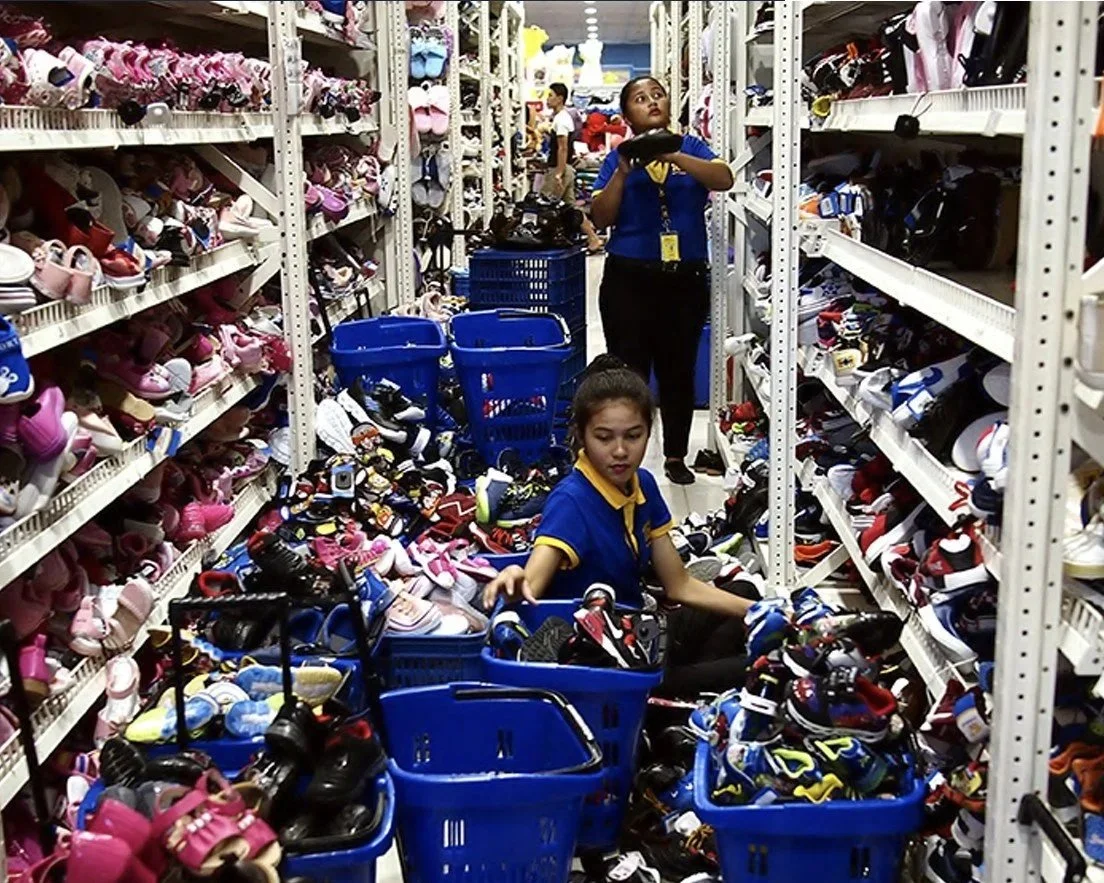
Living Wage and Minimum Wage in a National Context: Lessons from Selected Countries in the Global South.
This study has two objectives. First, it seeks to identify the factors that influence the extent to which minimum wages are set relative to living wages and to examine how this relationship changes over time in response to shifts in policy and economic conditions. Second, it examines the potential for living wages to serve as a normative benchmark for minimum wage setting and adjustment, while exploring policy pathways for extending adequate wage protection to a broader segment of workers in the Global South. The paper synthesizes findings from six country studies on the history, structure, and evolution of minimum wage systems. The selected countries span Africa, Asia, and Latin America, providing a diverse set of experiences and policy approaches.
This study was commissioned by the Anker Research Institute (ARI). However, the authors conducted their work independently, and the views, findings, and conclusions expressed herein are solely those of the authors and do not necessarily reflect the views of ARI, its members, or its supporting institutions
Anker Living Wage & Living Income Reference Values: Methodological Note
Anker Reference Values offer credible, comparable estimates of living wages and incomes where full benchmarks have not yet been conducted, bridging data gaps while remaining consistent with Anker Methodology standards.

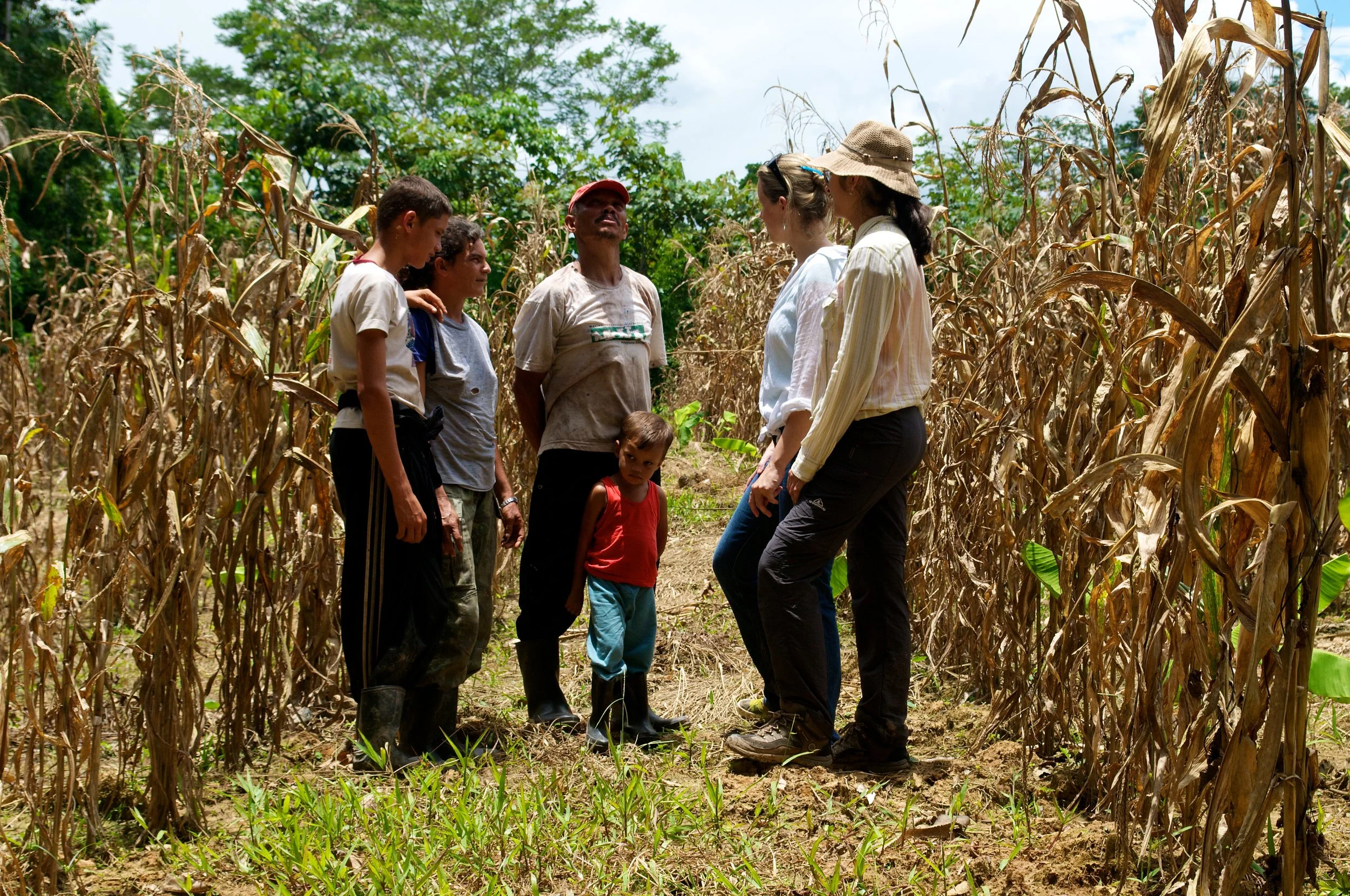
The Importance of Gender Equality for Living Incomes in Smallholder Farming Communities
Many agricultural companies pursue living income goals but often overlook gender equality. This paper by the Anker Research Institute and the Living Income Community of Practice shows why gender equality is key to achieving living incomes and offers a practical framework for gender-transformative action in supply chains.

METHODOLOGICAL REPORT: Anker Sub-National Living Income and Living Wage Estimates
This report describes and uses the recently developed Ank- er Methodology® to obtain sub-national living income and living wage estimates. Using Brazil as a pilot country, the methodology calculates living incomes and living wages for Brazilian state capital cities, surrounding metropolitan areas, and mesoregions in the rest of each state.