
Lykke E. Anderson
Bolivia/ Denmark
Lykke E. Andersen holds a Ph.D. in Economics from the University of Aarhus, Denmark. She has conducted research on development in Latin America for more than 25 years, and on living wages and living income since 2017. According to IDEAS/RePEc, she is ranked among the top 5% of female economists in the World.

Alexandre de Freitas Barbosa
Brazil
Alexandre de Freitas Barbosa has a Phd in Labor Economics from Universidade Estadual de Campinas - UNICAMP (2003). He is currently a Professor at the Institute of Brazilian Studies (IEB) of the University of São Paulo (USP). He has developed studies on labor and inequality for the past 30 years. He has worked with the Anker Methodology since 2016 and is linked to CEBRAP, an affiliate of the Anker Research Institute (ARI), responsible for the Anker Living Wage Strategy in Brazil.

Eduardo Lazzari
Brazil
Currently, Poverty Specialist (ETC) at the World Bank, based in Luanda Angola. PhD in Political Science at the University of São Paulo, and formerly a Post-Doctoral Researcher Fellow at Harvard University and Fundação Getúlio Vargas.

Nathália Porto
Brazil
Nathália, a Brazilian sociologist, holds a Master's degree in Political Science and has nearly 15 years of experience in the field of social data analysis. She leads research initiatives on corporate citizenship, reputation, social responsibility, and governance, utilizing a combination of quantitative and qualitative methodologies.

Luisa Fernanda Bernat Díaz
Colombia
Luisa Fernanda Bernat Díaz is a specialist in Gender and Labor Economics, currently serving as the Coordinator of Analytics and Continuous Improvement at Pontificia Universidad Javeriana in Bogotá. Her research agenda is deeply committed to understanding structural inequalities in Latin America. Dr. Bernat focuses on critical issues such as occupational segregation, wage differentials, and the entrepreneurial gender gap. Her work aims to identify and address the economic barriers women face in the labor market.

Daniel Alvarado Abarca
Costa Rica
Daniel Alvarado Abarca holds a BA and Lic. in Sociology and Political Science and is currently finishing his MA in Public Administration. He is a researcher at the Institute of Social Research and a lecturer of the School of Political Science at the University of Costa Rica.

Yapo NGuessan
Cote d'Ivoire
Yapo NGuessan has a Ph.D. in Agricultural Economics from Kansas State University, USA. An Associate Professor at the National University of Lorougnon Guede in Cote d'Ivoire, he is also a Research Associate with the Ivoirian Center for Socio Economic Research. He has capitalized more than 20 years of successful experiences in agriculture and rural development policy design and monitoring of development projects.
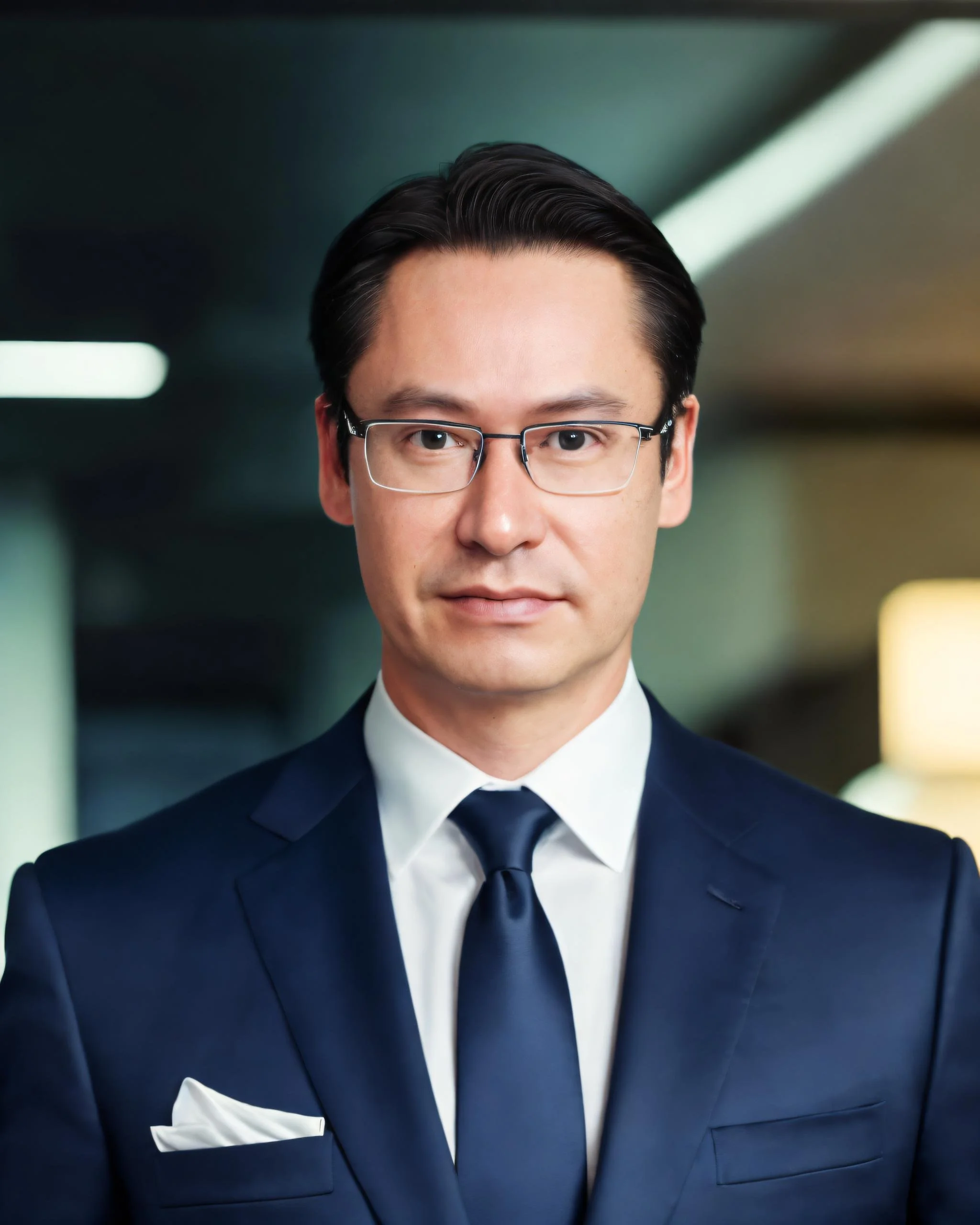
Sebastián Burgos Dávila
Ecuador
Sebastián Burgos Dávila, an Ecuadorian economist, specializes in impact assessment and applied social analysis. He has conducted research for the World Bank, ECLAC, UNICEF, and other institutions on issues of multidimensional poverty, the labor market, education, and food consumption.

Shemelis Kebede Hundie
Ethiopia
Shemelis Kebede Hundie has a BA in Economics and an MSc in Economic Policy Analysis. He is a skilled survey programmer, individual consultant, researcher, and university lecturer, contributing to economic research and analysis through his diverse expertise.

Kuriakose Mamkoottam
India
Dr.Kuriakose Mamkoottam, a sociologist, was Professor of Human Resource Management and Industrial Relations at the Faculty of Management Studies, Delhi University (1984-2011) and Ambedkar University Delhi (2011-2016). His areas of interest include Human Resource Management, Labour, Technological Change. He is interested in Anker methodology and actively engaged in assessing living wages.

Nidhi Kaicker
India
Nidhi Kaicker is an Assistant Professor of Management at Dr BR Ambedkar University Delhi. Her research interests include Analysis of Household Consumption Behaviour, Food Security, and Sustainable Finance. She has been associated with the Anker Research Institute since 2016, and has been a part of various living wage benchmarking studies in India.

Sandhya Barge
India
Dr. Sandhya Barge has experience of more than three decades in the area of social science research. Her research activities have been on various social and developmental issues with expertise of quantitative and qualitative research methodology. With a Ph.D. in Demography from International Institute for Population Sciences (IIPS), Bombay University. Her masters’ degree is in Anthropology from Pune University.
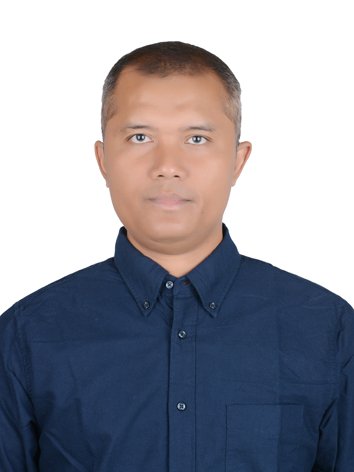
Ibnu Mundzir
Indonesia
Ibnu Mundzir is a development practitioner with 20 years of experience in program development and evaluation across sectors such as sustainable livelihoods, natural resource management, and community-based programs. He holds a master's degree in Community Psychology and Social Change from Pennsylvania State University. He co-founded Yayasan Aceh Hijau (www.yayasanacehhijau.org ), a CSO based in Aceh, Indonesia, working on local capacity strengthening and promoting sustainable development.

Pantja Pramudya
Indonesia
Pantja, who holds a Ph.D. from Wageningen University, is a founding member and researcher at the Institute of Social and Economic Research (Inrise). With more than twenty years of focused research in heterodox economics, sustainable finance, the politics of sustainability governance, and sustainable value chains, Pantja recently finished a study on living wages in Indonesia.

Syarifah Marlina AlMazhir
Indonesia
Syarifah Marlina AlMazhir is a social development practitioner and a program planning, monitoring, and evaluation consultant. She holds a MSc in Social Policy and Development and has over 20 years of experiences In International Development and Research. She has conducted more than 20 evaluations, surveys, and research projects, including three living income studies in Indonesia.

Emma Blackmore
Kenya/ UK
Emma Blackmore is an independent consultant as well as a research associate of the International Institute for Environment and Development and ARI, based in Nairobi, Kenya. She has more than 14 years’ experience working on market governance, inclusive business, standards and certification, small-scale agriculture, informal markets, food systems, and Living Wages. Emma recently completed the Living Wage benchmark for Kericho, Kenya.

Michael Msukuma
Malawi
Michael Msukuma holds a Master of Science in Agricultural and Applied Economics from the Lilongwe University of Agriculture and Natural Resources, completed through the Collaborative Master’s Programme with the University of Pretoria and sixteen partner universities across Sub‑Saharan Africa. His graduate training specialized in agricultural policy analysis, applied econometrics and quantitative research methods, including project management, monitoring, evaluation and learning (MEL).
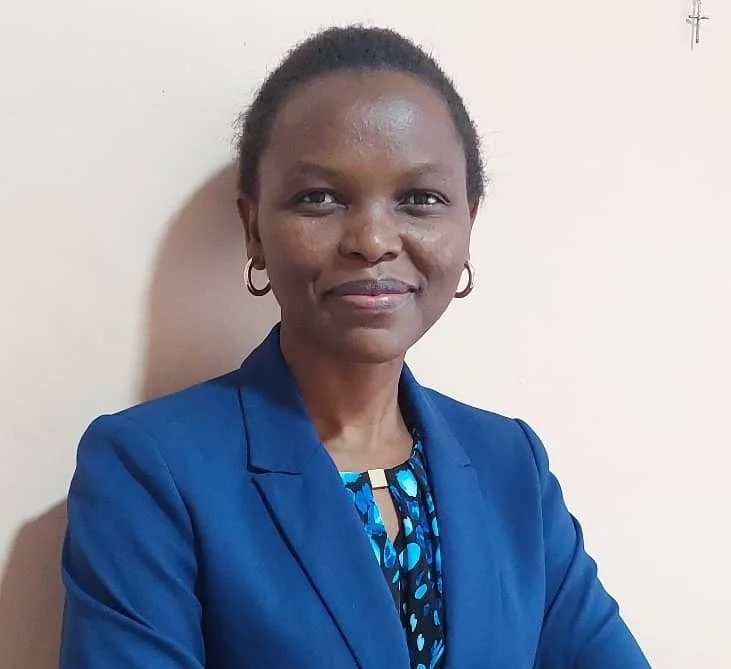
Mirriam Matita
Malawi
Mirriam Matita has a PhD in Economics from the University of Malawi. She is also academic staff at Lilongwe University of Agriculture and Natural Resources (LUANAR) in Malawi. Her research interests include the application of microeconomics in agriculture policy, commercialization, social protection, and poverty analysis.

Isidro Soloaga
Mexico
Isidro Soloaga. Agricultural and Natural Resources Economist from the University of Maryland, Isidro is a professor at the Department of Economics-Universidad Iberoamericana-Mexico City and a Level III in the Mexican National System of Researchers. He has more than 30 years of experience in the analysis of economic development, poverty, income distribution, and the regional economy.

Jesús David Aban Tamayo
Mexico
Jesús David Aban Tamayo, an independent researcher residing in Mexico, earned his MSc in Development Economics and Statistics from the University of Bordeaux, France. His research centers on analyzing and tackling social development and inequality issues, with a specific emphasis on vulnerable communities such as indigenous groups. David actively engages in policy assessments, utilizing a combination of quantitative and qualitative approaches to assess the effectiveness of governmental interventions.